Medical devices should improve your health, not cause additional harm. When defective equipment leads to serious injury, infection, or complications, you have the right to seek justice. Manufacturers have a legal duty to ensure their products are safe before they reach patients and healthcare providers.
At PWHD, our experienced defective medical equipment lawyers in Newport News fight to hold negligent manufacturers accountable for the harm their faulty products cause. We investigate design flaws, manufacturing defects, and inadequate warnings that put patients at risk.
When that trust is broken, we stand ready to protect your rights and pursue justice on your behalf. Our knowledgeable attorneys understands the complex medical and technical issues involved in these cases and works tirelessly to secure the compensation you need for your recovery.

Call For a Free Consultation
How Do I Know if I Have a Defective Medical Product Liability Case?
You may have a defective medical product case if you suffered an injury or complication after a medical device was implanted, used, or prescribed for your treatment. The device must have a defect that directly caused your harm, not simply a known risk that was properly disclosed. Your injury should have occurred when the device was used as intended by healthcare professionals following proper procedures.
Several factors indicate you may have a valid claim. The medical device may have been recalled by the manufacturer or the Food and Drug Administration. You may have experienced complications that are not typical for the procedure or device. Other patients may have reported similar problems with the same product. Medical records showing your condition before and after the device was used can help establish the connection between the product and your injuries.
Determining whether you have a case requires a thorough review of your medical history, the specific device involved, and how it failed. Consulting with an attorney who understands defective medical product claims is essential to evaluating the strength of your potential case.
What Is a Defective Medical Product Injury Case Worth in Newport News?
The value of a defective medical product case depends on the severity of your injuries, the medical treatment required, and how the defective device has affected your life. Each case is unique, and compensation varies based on individual circumstances. Virginia law allows victims to recover damages for economic losses and the physical and emotional toll of their injuries.
Potential compensation in a defective medical device case may include:
- Past and Future Medical Expenses: Costs for surgeries to remove or replace the defective device, hospital stays, rehabilitation, medications, and ongoing care needed to treat complications.
- Lost Income: Wages you could not earn while recovering from surgeries, dealing with complications, or attending medical appointments.
- Reduced Earning Capacity: Permanent limitations that prevent you from returning to your previous job or earning the same income you did before your injury.
- Physical Pain and Suffering: Compensation for the pain, discomfort, and physical limitations caused by the defective medical product.
- Emotional Distress: Mental anguish, anxiety, depression, or post-traumatic stress resulting from your experience with the defective device.
- Loss of Enjoyment of Life: Inability to participate in activities, hobbies, or family events you valued before your injury.
Testimonials
Voices of our clients who’ve trusted us with their most important cases.
What Are Some Common Types of Defective Product Cases?
Defective medical product cases involve a wide range of devices used for treatment, diagnosis, and surgical procedures. Some devices have design flaws that make them inherently dangerous, while others have manufacturing defects or inadequate warnings about risks. The complexity of medical technology means problems may not surface until thousands of patients have already received the device.
Common defective medical products that have harmed patients include:
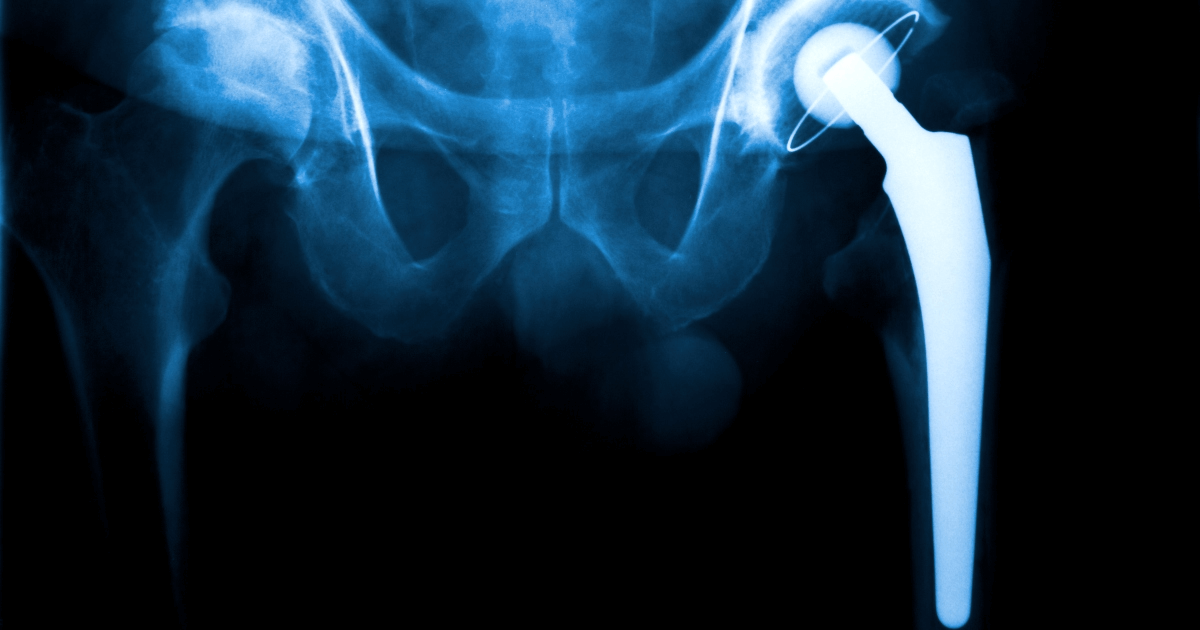
- Hip and Knee Implants: Joint replacement devices that fail prematurely, cause metal poisoning, or lead to painful revisions and additional surgeries.
- Hernia Mesh: Surgical mesh products that migrate, erode through tissue, cause infections, or require multiple corrective procedures.
- IVC Filters: Blood clot filters that break apart, migrate to vital organs, or perforate blood vessels and the heart.
- Pelvic Mesh: Devices used to treat pelvic organ prolapse or stress urinary incontinence that cause pain, scarring, and organ damage.
- Spinal Cord Stimulators: Implanted pain management devices that malfunction, cause severe pain, or result in nerve damage and paralysis.
- Surgical Staplers: Devices that fail to close tissue properly during surgery, leading to internal bleeding and infections.
- Breast Implants: Products linked to rupture, capsular contracture, or a rare form of cancer called breast implant-associated anaplastic large cell lymphoma.
- Cardiac Devices: Pacemakers and defibrillators that malfunction, deliver inappropriate shocks, or have premature battery failures.
Who May Be More Vulnerable to Injuries Due to Medical Product Flaws?
While defective medical devices can harm any patient, certain individuals face higher risks of complications. Patients with compromised immune systems, chronic conditions, or those requiring multiple devices may experience more severe reactions to defective products. Understanding vulnerability factors helps identify who may be at greater risk for device-related injuries.
Individuals who may be more susceptible to harm from defective medical devices include patients with autoimmune disorders or weakened immune systems who cannot fight infections caused by contaminated devices. Elderly patients often have slower healing processes and may experience more complications from device failures. People with diabetes or cardiovascular disease face increased risks of infection and poor wound healing around implant sites. Patients who require multiple medical devices simultaneously may experience compounded complications if one or more devices fail.
Women of childbearing age face unique risks from certain devices, particularly pelvic mesh products that can cause complications during pregnancy. Individuals who have already undergone multiple surgeries in the same area may have scar tissue that increases the risk of device-related problems. Patients taking blood thinners or immunosuppressive medications may be more vulnerable to bleeding complications or infections associated with defective devices.
Case Results
A dozen multimillion dollar verdicts in Newport News, VA alone.
-
Verdict
$24,931,000
Ship Owner Liability Mesothelioma
-
Verdict
$9,251,000
Shipyard Mesothelioma
-
Verdict
$9,182,000
Private Shipyard Mesothelioma
What Kinds of Injuries May Be Caused by a Defective Medical Product or Device?
Defective medical devices can cause devastating injuries that require additional surgeries, long-term medical care, and permanent lifestyle changes. Some complications develop shortly after implantation or use, while others emerge months or years later. The severity of injuries varies depending on the type of device, where it was implanted, and how it failed.
Injuries commonly caused by defective medical products include:
- Infections: Bacterial contamination or chronic infections at the implant site requiring antibiotics or device removal.
- Internal Bleeding: Uncontrolled bleeding caused by device perforation or failure during surgical procedures.
- Organ Damage: Perforation, scarring, or permanent damage to vital organs from migrating or eroding devices.
- Nerve Damage: Loss of sensation, chronic pain, or paralysis resulting from device malfunction or improper placement.
- Tissue Death: Necrosis or death of surrounding tissue due to lack of blood flow or toxic materials leaking from the device.
- Metal Poisoning: Metallosis or heavy metal toxicity from metal particles released by failing implants into the bloodstream.
- Chronic Pain: Persistent pain that significantly reduces quality of life and requires ongoing pain management.
- Device Migration: Movement of the device from its original position, causing damage to surrounding organs and tissues.
- Additional Surgeries: Revision procedures needed to remove, replace, or repair damage caused by the defective device.
Defective Medical Product
You trusted a medical device to help you, not harm you. When that trust is broken, our knowledgeable attorneys stand ready to protect your rights and pursue justice on your behalf. Call PWHD now for a free consultation .
Tell us how we can help you
Billions
Recovered
5 Star
Rated
70+ Years
in Business
Evidence You Need to Prove a Defective Medical Device Caused You Harm
Building a strong defective medical device case requires substantial evidence linking the product to your injuries. The burden of proof falls on you to demonstrate that the device was defective and that this defect directly caused your harm. Gathering and preserving evidence soon after discovering your injury helps to strengthen your case and improve your chances of recovering compensation.
Essential evidence in a defective medical device case includes:
- Medical Records: Your full medical history should include your issues before the device was implanted, and also include the diagnosis, procedure and all related follow-up care.
- Documented Complications: Make sure your medical records include the known start of any complications or harm you experienced from the device.
- Medical Device Details: Document the device manufacturer, model number, lot number, and serial number to help identify the specific product and whether others have reported similar problems.
- Medical Costs: Accurately record all medical expenses – including invoices, receipts, and insurance statements. These records further establish the full financial impact of your injuries.
- Medical Testimony: Evidence should include statements from physicians and medical professionals who can explain how the device failed and caused your injuries. Their testimonies help provide clarity and crucial support for your claim.
- Evidence the Device Is Harmful: This could include FDA recalls, safety warnings, or reports of adverse events involving the same device demonstrates a pattern of problems.
- Photographs of the Device: Include pictures or imaging studies of the device before and after failure to help illustrate the defect.
- Employment Records and Tax Returns: You need documentation to prove your lost wages and reduced earning capacity.
- A Journal of Your Complications and Symptoms: Maintain an accurate record of your symptoms, pain levels, and how the injury affects your daily activities. This type of journal creates a comprehensive and clear picture of your suffering.



How Do I Know If My Illness Is Related to Asbestos Exposure?
To find out if you were exposed to asbestos, we need to know more about your work history and review your medical diagnosis.
An Accurate History of Working Where Asbestos Was Present
Did you work in Newport News shipyards, naval facilities, construction sites, or other industrial? Did you serve in the Navy or work around ships? These occupational exposures create a strong connection to asbestos-related diseases.
Documented evidence of your work history is essential for proving your case. What you need includes:
- Employment records
- Job descriptions
- Witness statements from coworkers
- Ship logs
- Military service records.
Our experienced legal team can help you gather this evidence.
Relevant Medical Records Documenting Your Diagnosis
A medical diagnosis provides critical evidence of mesothelioma, lung cancer, asbestosis, or another asbestos-related condition from your doctor forms the basis of your legal claim. Your doctor may note asbestos exposure as a likely cause in your medical records.
Other evidence that supports a medical diagnosis and is also included in your medical records includes:
- Pathology reports
- Imaging studies
- Biopsy results
- Medical opinions from your treating physicians
Your attorney may even consult with medical specialists who can provide testimony about the link between your exposure and your disease.
At PWHD, we conduct thorough investigations to establish the connection between your illness and asbestos exposure. We work with medical professionals, industrial hygienists, and other specialists to build compelling evidence for your claim.
Case Results
A dozen multimillion dollar verdicts in Newport News, VA alone.
-
Verdict
$24,931,000
Ship Owner Liability Mesothelioma
-
Verdict
$9,251,000
Shipyard Mesothelioma
-
Verdict
$9,182,000
Private Shipyard Mesothelioma
Filing Deadlines in Virginia That Limit How Long You Have to File a Defective Medical Product Claim
Virginia law imposes strict time limits for filing defective medical product lawsuits. The statute of limitations for personal injury cases in Virginia is generally two years from the date you discovered or reasonably should have discovered your injury. This deadline applies to most defective medical device claims, though the specific date when the clock starts may be complex to determine.
The discovery rule may extend the filing deadline if the defect or injury was not immediately apparent. For example, if a device fails years after implantation and you had no way of knowing about the defect earlier, the two-year period may begin when you discover the problem. However, Virginia also has a statute of repose that may bar claims after a certain period, regardless of when you discovered the injury. Missing these deadlines typically results in losing your right to seek compensation permanently. Some defective medical device cases involve mass tort litigation or class action lawsuits that may have different filing requirements. Contacting an attorney immediately after discovering your device-related injury protects your legal rights and ensures your claim is filed within all applicable deadlines.
Call For a Free Consultation
Need Experienced Legal Help? Contact Our Defective Medical Product Lawyers in Newport News Today
It is no easy task to take on a medical device manufacturer on your own. You need substantial resources, technical knowledge, and extensive legal experience to make sure your rights and best interests are protected. Drug corporations have legal teams dedicated to minimizing their liability and defending against injury claims.
At PWHD, we know how to manage cases against corporate legal teams, and our defective medical equipment lawyers in Newport News have extensive knowledge and resources to stand up to these powerful entities on your behalf. We work with medical professionals and technical specialists who can analyze the device, explain how it failed, and testify about the injuries it caused.
Taking the first step and contacting a lawyer may seem overwhelming when trying to deal with physical pain and other serious medical complications. The phone call is the hardest step. Just remember the longer you wait, the less time we have to build a solid case on your behalf..